UK adults are forecast to pay £16.9 billion in credit card interest in 2026, equivalent to roughly £300 per person. None of that money reduces the underlying balances. Every pound services interest rather than paying down what was borrowed. Total UK credit card debt is on track to hit £79 billion by the end of 2026, and on current growth rates, annual UK credit card interest payments are projected to reach £25 billion by 2037.
The debt drain: Britain’s interest issue uncloaked
In 2026, the UK is set to pay £16.9bn in credit card interest payments, equivalent to £300 per adult.
Debt is part of everyday life for most people in the UK. From student loans and credit cards to Buy Now, Pay Later schemes, borrowing has become a normal part of managing finances.
But, with debt comes interest. It’s the price paid for access to credit, and for many, it adds up quickly. Those making only the minimum payment often find that a large share of what they pay each month goes towards interest, rather than reducing what they owe.
To understand the extent of the issue, we analysed a range of credible data sources to estimate how much Brits spend on credit card interest repayments each year, how this has changed in the past decade, and what it could mean for the years ahead.
The UK credit card debt crisis and how much Brits actually owe
Our findings revealed an alarming forecast: the UK is predicted to pay £16,946,000,000 in interest from credit cards in 2026.
On an individual level, the impact is substantial. The average Brit is estimated to carry around £1,400 in credit card debt in 2026, with 82% of credit card balances not consolidated (source: Bank of England, UK Finance & StepChange). This means the average credit card interest paid per person is expected to reach £300 this year.
The problem is clear: interest can quickly extend the life and cost of debt. Whilst only a small share of credit cardholders (6%) make the minimum payment each month (source: UK Finance), doing so can dramatically slow progress. With a large share of each payment going towards higher-rate balances, clearing the debt can take years rather than months.
Rising credit card debt in the UK
Over the past decade, the average amount of credit card debt per adult has increased by 13%, from £1,241 in 2016 to £1,400 in 2026 (source: Bank of England, ONS).
At the same time, the cost of borrowing has risen sharply. Average credit card rates have increased from 18.38% in 2016 to 21.45% in 2026 (source: Bank of England), on average, pushing up the amount people are paying to borrow.
As a result, the average interest paid per person on credit card repayments has jumped from £228 in 2016 to £300 in 2026 – a 32% increase in 10 years.
This upward trend is set to continue, with our data forecasting that in 2037, total UK credit card interest payments are expected to reach £25 billion annually, adding further strain for British households.
The debt drain: How to reduce personal interest payments
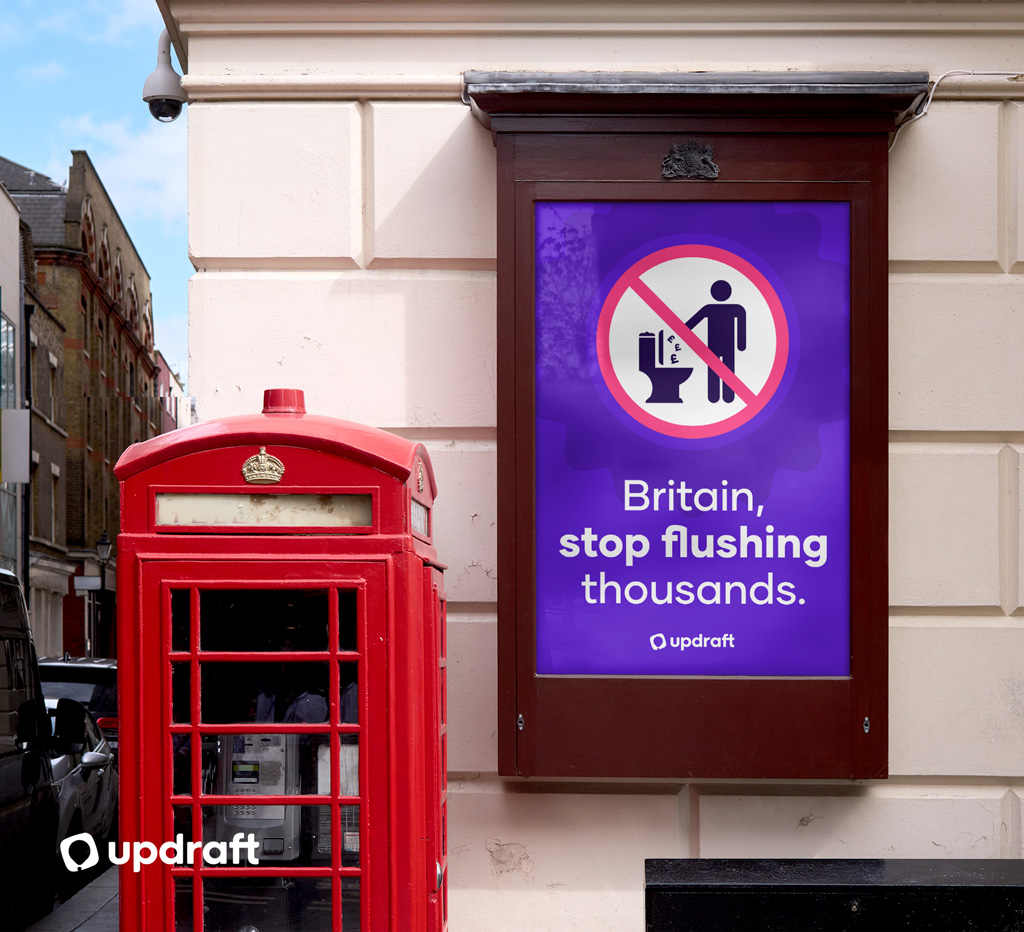
To highlight the severity of this issue, we’ve launched our campaign, The Debt Drain.
The aim? To showcase how, on high-interest credit card debt, minimum repayments can feel like flushing money down the drain.
There’s no single fix. Rising levels of unsecured debt are influenced by a mix of economic pressures, borrowing habits, and the wider cost of living.
In particular, the government could also make greater investments in financial literacy. Notably, the Centre for Social Justice (CSJ) has urged an ‘urgent rethink’ of financial education[1]. They emphasise that higher financial literacy directly correlates with better resilience against income shocks, improved savings, and less unsustainable debt.
The Debt Drain aims to empower Brits to take practical measures to reduce the amount they spend on credit card interest payments where possible. When these payments start to feel like flushing money down the drain, there are three options to consider to reduce outgoings:
- Free, impartial advice: If debt becomes a significant worry, seek free, independent advice. Charities such as StepChange, Citizens Advice, and National Debtline offer impartial guidance and can help set up a debt management plan where appropriate.
- Paying more than the minimum: Where it is affordable, paying more than the minimum reduces total interest paid and clears the balance faster. However, this is not realistic for everyone, especially those facing cost-of-living pressure.
- Debt consolidation: Consolidating multiple balances into a single loan can simplify repayments and potentially lower interest rates. Suitability depends on creditworthiness, the rate and term offered, and the individual’s wider finances.
Although avoiding interest payments altogether isn’t usually possible with any loan, taking small steps to regain control and reduce monthly payments can be crucial, which in some cases can be done in just a few clicks.
Read the full data report here.
Final Thought
Looking to pay off credit card debt? If you’re looking to consolidate credit card debt and cut down on high interest, check your eligibility for Updraft, or download our app today.
Loans from 15.3% APR (25.9% APR Representative)
25.9% APR Representative based on a £10,000 loan over 60 months at 20.40% fixed interest p.a. Monthly repayment: £283.20. Total repayable: £16,992 (inc. £600 fee). Subject to status and affordability. Consolidating debt may increase the term and total amount repaid. All figures are representative and based upon an assessment of credit and affordability. Terms and conditions apply.
From 15.3% to 41.2% APR, £1,000–£25,000, over 2–5 years available.
Sources:
Data Methodology:
The figures in this piece come from the following sources:
- Bank of England monthly consumer credit series, for total raw stock lending excluding mortgages and average credit card interest rate.
- ONS mid-year population estimates, used to calculate per-adult averages.
- StepChange & UK Finance credit card market reports, for cardholder behaviour, including the share of cardholders making minimum payments only.
- The Money Charity‘s monthly statistics bulletin, cross-referenced against the above.
Forecasting Methodology:
Forecasts for 2026 and the 2037, 2053 and 2054 milestones use the 5-year compound annual growth rate in each underlying series (2021 to 2026), projected forward. This is a linear trend projection only. It does not model policy changes, macroeconomic shocks or shifts in borrowing behaviour, and the milestones should be read as illustrative.
Predicted annual credit card interest cost calculated by multiplying the average credit card debt per adult by the average credit card interest rate.
A note on the unconsolidated share
The figures we quote for the proportion of UK revolving credit that is not consolidated are Updraft’s own estimate, built from Bank of England consumer credit data and our internal analysis of product mix. Full methodology is held on file.
About Updraft
Updraft helps people pay off credit card debt. The app connects to your accounts, shows you what your borrowing costs, and where it makes sense replaces card and overdraft balances with a single Updraft loan. We’re rated 4.8 out of 5 on Trustpilot by the people using it to do exactly that. More about Updraft
Frequently Asked Questions
How much credit card interest will UK adults pay in 2026?
What is the average UK credit card debt and interest cost per person in 2026?
The average UK adult is carrying around £1,400 in credit card debt in 2026. At the average UK credit card interest rate of 21.45%, that translates to roughly £300 in annual interest per person. Around 82% of UK credit card balances are not currently consolidated, meaning the majority of UK adults are exposed to those high revolving rates rather than the lower fixed rates available on consolidation loans. Average interest paid per adult has risen from £228 in 2016 to £300 in 2026, a 32% increase over a decade.
How can I reduce how much I pay in credit card interest?
A few practical routes are worth considering. Free, independent advice from charities such as StepChange, Citizens Advice, or National Debtline can help if debt is becoming a worry, and can include setting up a debt management plan where appropriate. Paying more than the minimum each month, where it is affordable, cuts the total interest paid and shortens the time it takes to clear the balance. Consolidating multiple credit card balances into a single fixed-rate loan can simplify repayments and, depending on the rate and term offered, lower the overall interest cost. Suitability depends on individual circumstances, and free advice is the best first step if debt is causing real worry.
Is paying only the minimum on a credit card a bad idea?
For anyone trying to actually clear a credit card balance, yes. Minimum payments are calculated to cover interest plus a small fraction of the balance, typically 1% to 3%. At the current UK average credit card interest rate of 21.45%, the interest portion eats up most of each payment, leaving very little to chip away at the principal. On a £1,400 balance making only minimum payments, it can take more than a decade to clear the debt, with total interest paid approaching the original balance. Around 6% of UK cardholders pay only the minimum each month, meaning they are servicing the debt indefinitely without meaningfully reducing it.
Should I consolidate my credit card debt to lower interest costs?
Debt consolidation can reduce the total interest paid on credit card balances, but it depends on individual circumstances. The principle is straightforward: combining several high-interest credit card balances into a single fixed-rate loan replaces a revolving rate (currently averaging 21.45% in the UK) with a typically lower fixed rate, redirecting more of each monthly payment toward the principal rather than the interest charge. Whether it works in practice depends on the rate and term offered, the borrower's credit profile, and their wider finances. A longer term can mean more interest paid overall, even at a lower rate. Anyone worried about debt should speak to a free advice service such as StepChange or Citizens Advice before committing to a new product.